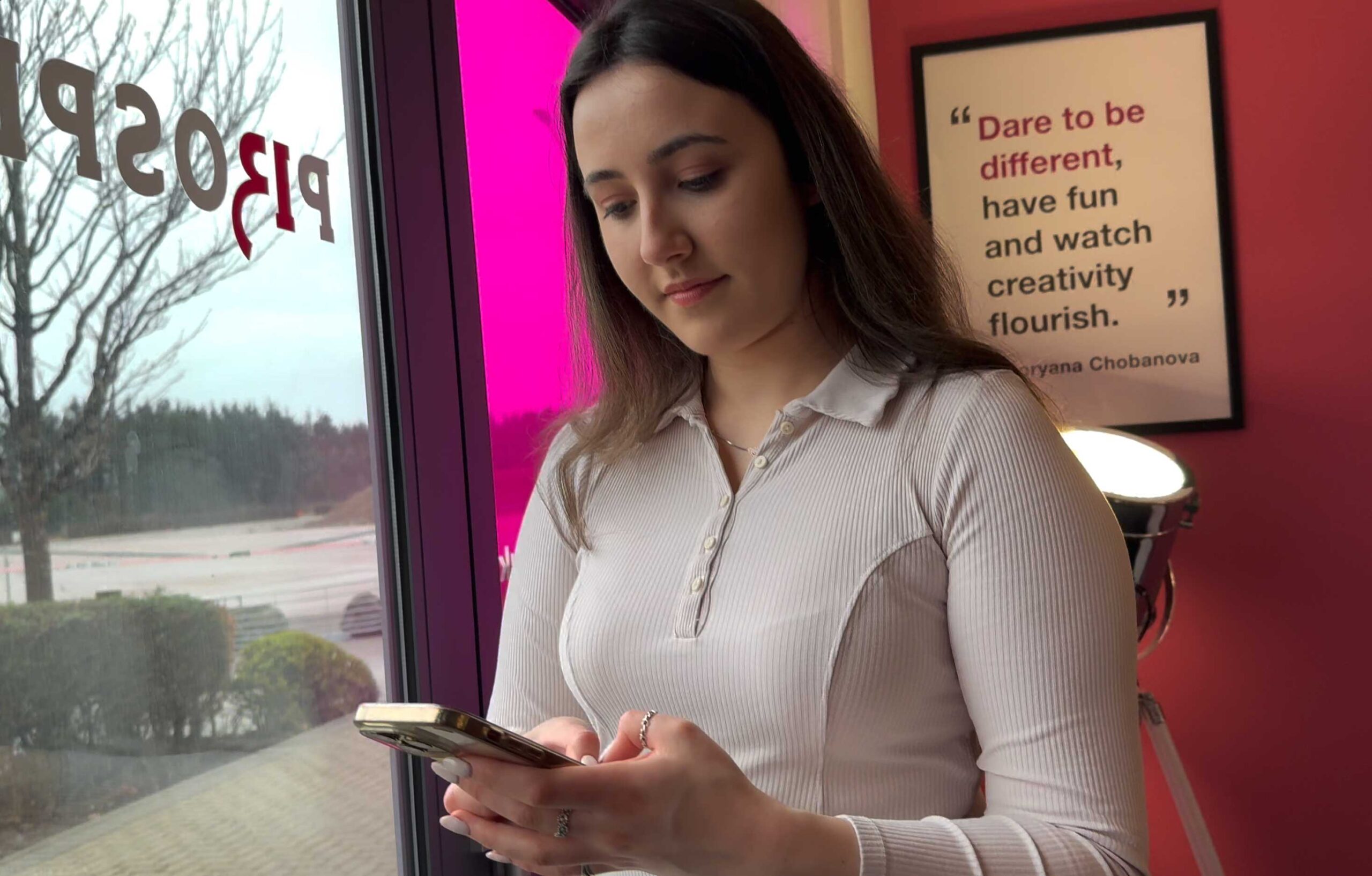
In a world where customers are exposed to hundreds of brands a day, first impressions matter.
Stock photos might seem like the easy solution and last-minute fix, but they come with the cost of authenticity. The more you rely on them, the less your audience sees your brand’s identity which in turn, can cause a breakdown I trust and brand authority,
There are times where stock photos can be used but there is a time and place, here is why you should try to avoid them where possible:
1. They Feel Generic
When your visuals feel generic, your audience assumes that your business is too. Stock photos often lack the personality, emotion, and subtle cues that make a brand memorable. They might look polished on the surface, but they rarely say anything meaningful about you. A smiling stranger in an office or a handshake across a meeting table doesn’t tell your audience who you are, what you stand for, or why you’re different.
2. They Dilute Your Visual Identity
Stock imagery is made to fit everyone – which means it won’t fit your brand. Your photography should stand out just as much as your logo and messaging, so that anyone who sees them immediately recognises your personality and brand story.
3. It’s Repetitive
When your website and socials rely on the same stock photos that everyone else is using, you end up blending in. The best way to stand out is to show something real – your team, your product, your customers, your space. Original and unique imagery is your way of differentiating from the crowd.
4. They Lack Authenticity
Your visuals are often the first impression people have of your brand, and if that impression feels impersonal or fake, it creates a lack of trust. Authentic photographs showing real people, candid moments, and natural expressions convey openness and authenticity. It makes your visuals feel relatable and credible and in turn your business will too.
5. They Limit Creative Potential
Using stock photos from a variety of contributors prevents you from creating consistent visuals that align with your brands personal visual style. Relying on stock imagery can limit your design choices to what is available rather than what is possible, forcing your materials to be created with compromise instead of creative potential.
What’s the Fix?
At Prospect 13, we build real relationships with our clients and that’s what allows our in-house photographer Lisa, who has over 15 years of experience behind the lens, to capture moments that truly reflect who you are. Whether it’s behind-the-scenes shots of your team, press shots, lifestyle imagery, or brand-led photography for campaigns, Lisa knows how to capture your brand personality.
Ready to Replace Stock with Story?
Your brand deserves more than generic visuals. Let’s create photography that feels as genuine as your business. Chat with us today.